
Resource Hub
Content for Change
Resource Hub
Content for Change

Our Resource Hub is an ever-growing collection of content to help you be your own communicator and change-maker.
Here you can find a variety of infographics, videos, research reports, op-eds, & toolkits that look to unpack issues on Climate, Energy, Covid, and Communications for Change in general. Just select the right filter option, or use the search bar to find what you’re looking for.
Baseline Report 2025
Recommended Reading
Beautiful Rising: Creative Resistance from the Global South
Beautiful Rising: Creative Resistance from the Global South
Andrew Boyd, Juman Abujbara, Dave Oswald Mitchell, Marcel Taminato
In this follow-up to the bestselling Beautiful Trouble: A Toolbox for Revolution, Beautiful Rising showcases some of the most innovative tactics used in struggles against autocracy and austerity across the Global South.
South Africa's Survival Guide to Climate Change
South Africa’s Survival Guide to Climate Change
Sipho Kings and Sarah Wild
As temperatures climb, sea levels rise, and parts of the country face the risk of becoming uninhabitable, this guide rests on the idea that with knowledge, preparation, and collective action, South Africa can weather the storm of the climate crisis
Climate Change Education: Preparing African Youth for Future Challenges
Climate Change Education: Preparing African Youth for Future Challenges
Samantha Tshabalala, Dr Wilfred Lunga, and Caiphus Baloyi.
This paper considers climate change’s devastating impacts on nutrition, economies, and public health throughout Africa, alongside the opportunity young people have to drive sustainable practices through education.
Handbook of Social Justice in the Global South
Handbook of Social Justice in the Global South
Nikhil Deb, Manjusha Nair, Glenn W. Muschert, Edward Elgar
Presenting the Global South as a space of belonging and resistance to the hegemony of global capitalism, this timely handbook identifies how to re-imagine transformation futures for a just world.
Organizing Insurgency: Workers' Movements in the Global South
Organizing Insurgency: Workers’ Movements in the Global South
Immanuel Ness
Looking at contemporary case studies in India, the Philippines and South Africa, this book affirms the significance of political and economic representation to the struggles of workers against deepening levels of poverty and inequality that oppress the majority of people on the planet.
Rising for Palestine: Africans in Solidarity for Decolonisation and Liberation
Rising for Palestine: Africans in Solidarity for Decolonisation and Liberation
Edited by Raouf Farrah and Suraya Dadoo
Bringing together critical contributions from Palestinian and African scholars, intellectuals and activists who confront the intertwined histories of genocide, apartheid and colonialism that still cast long shadows over the present.
Glossary
Definitions
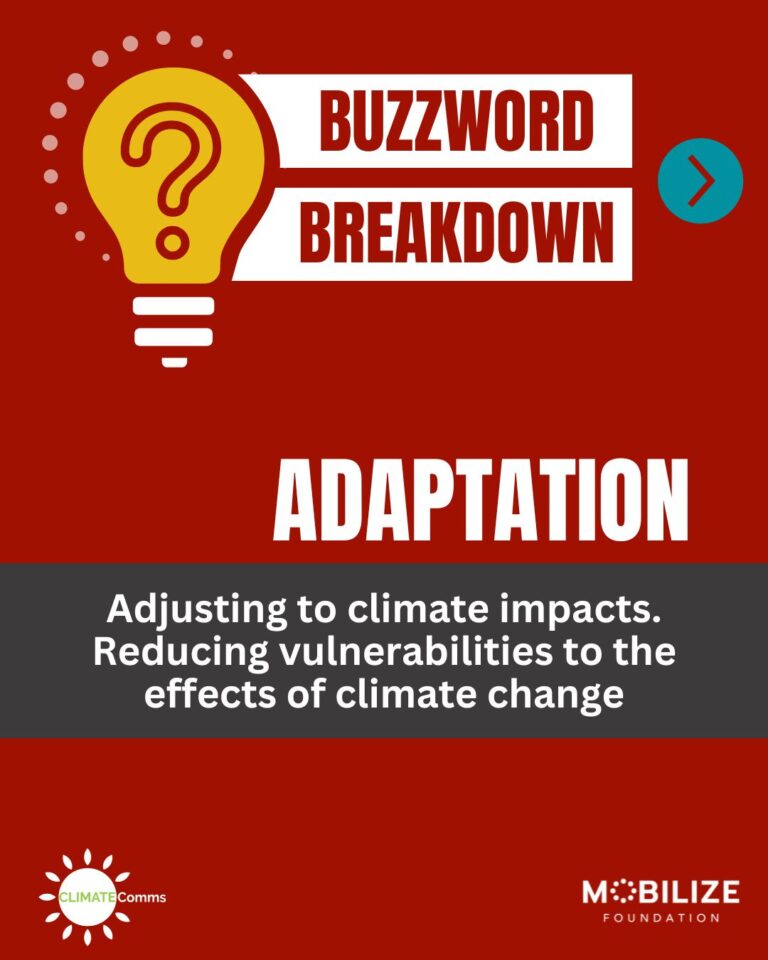
Climate Adaptation: Preparing for Today and Tomorrow
It means taking action to prepare for and adjust to the current and projected impacts of climate change. With climate change bringing more frequent and intense extreme weather events such as heatwaves, droughts and floods, individuals and communities can reduce their vulnerability and increase their resilience by adapting now.
Adaptation comes in many forms:
- Food Security
- Infrastructure & Nature-based Solutions
- Water & Urban Systems
- Locally Led Adaptation
- Climate Finance
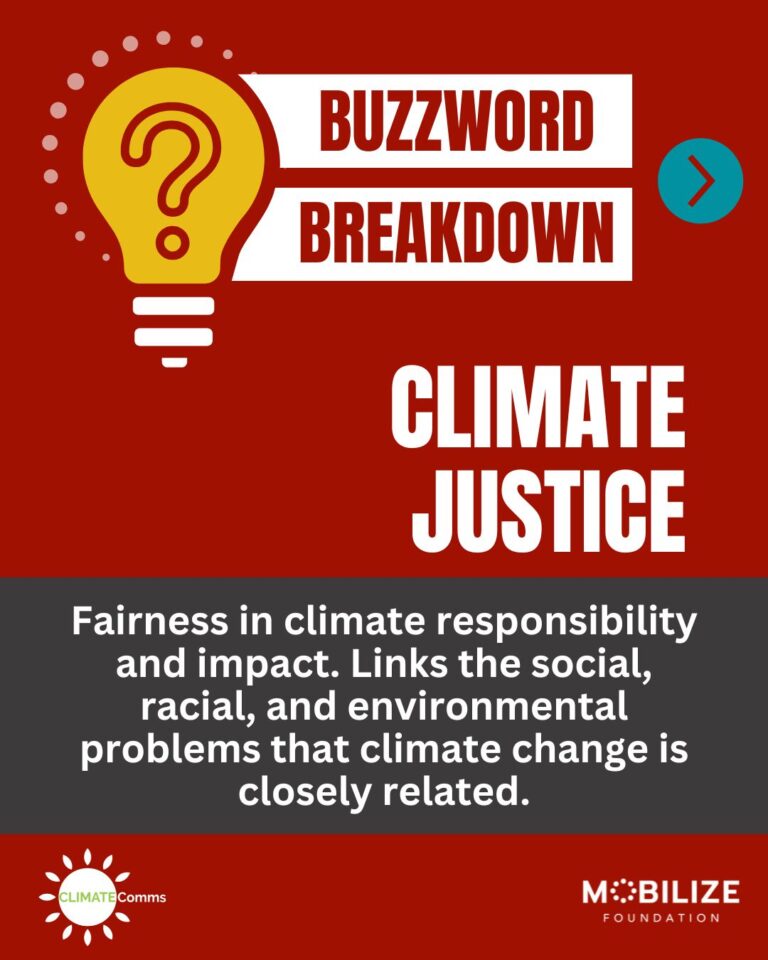
What is Climate Justice?
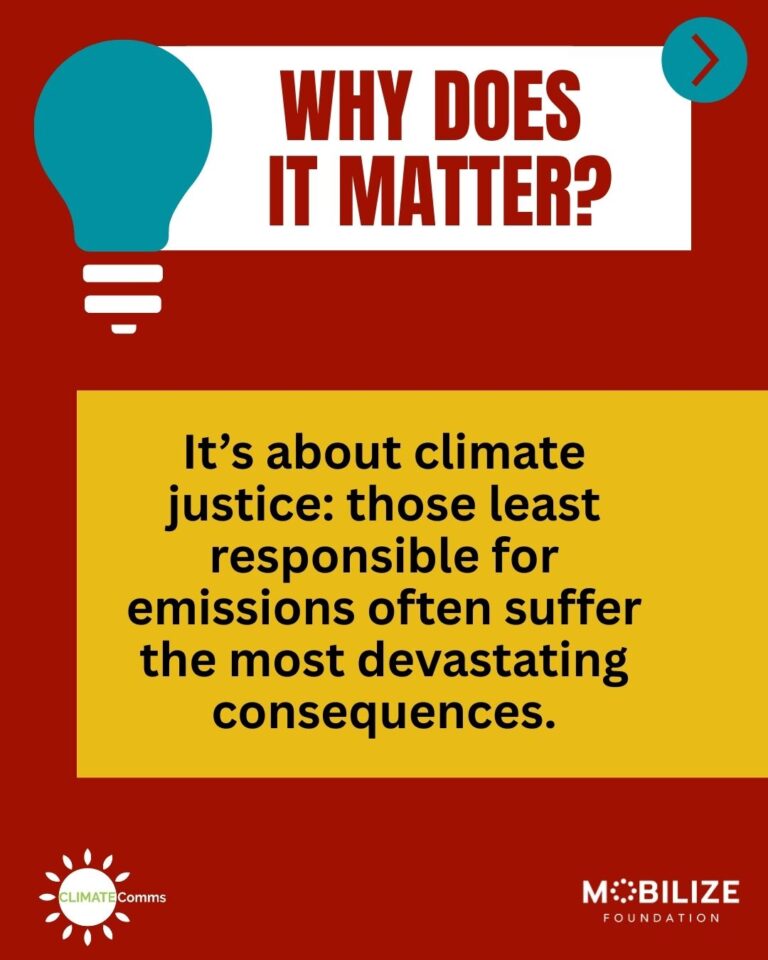
A framework that recognises that low-income and BIPOC communities, who bear the least responsibility for the issue, are disproportionately affected by climate change worldwide.
Climate Justice shapes who pays for climate action, whose voices are heard, and whose lives are prioritised.
What is Loss and Damage?
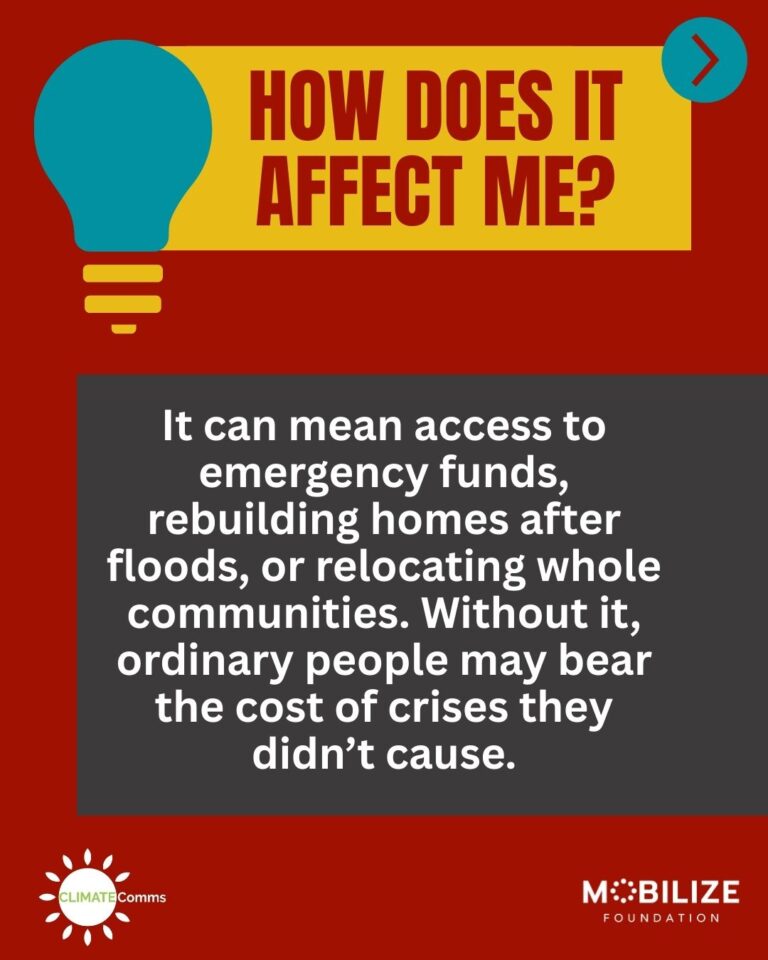
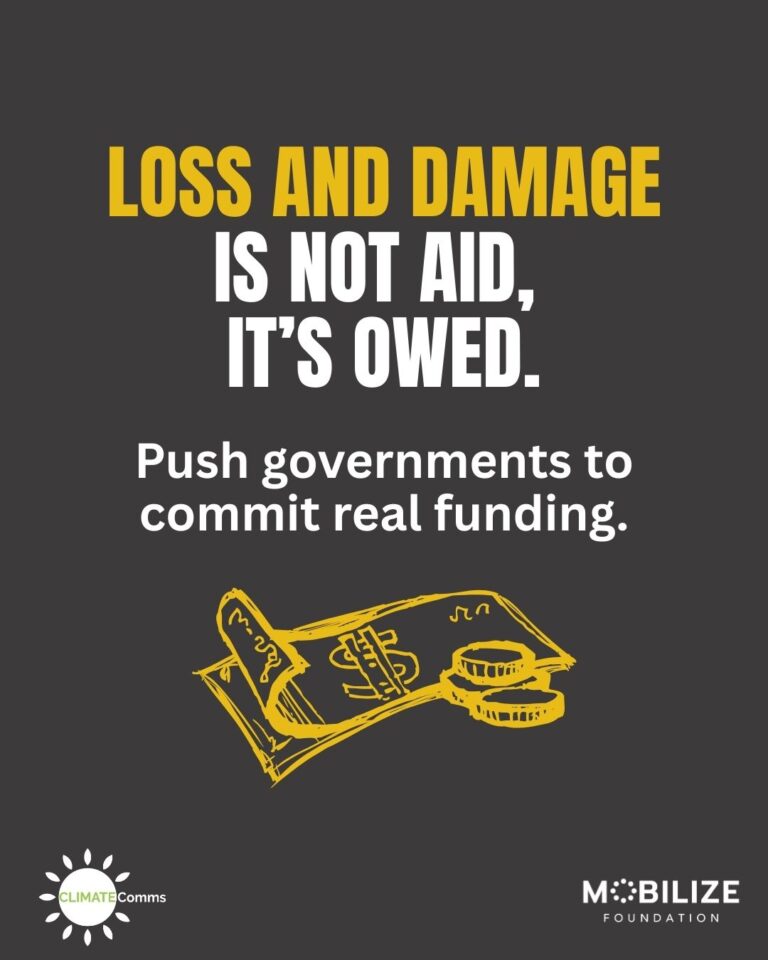
Loss and damage finance recognises that some climate impacts, like disappearing islands, destroyed homes, or lost livelihoods, go beyond adaptation. It recognises that losses can be both economic and non-economic and pushes wealthy, high-emitting nations to fund recovery for vulnerable countries hit hardest.
What is climate change mitigation?
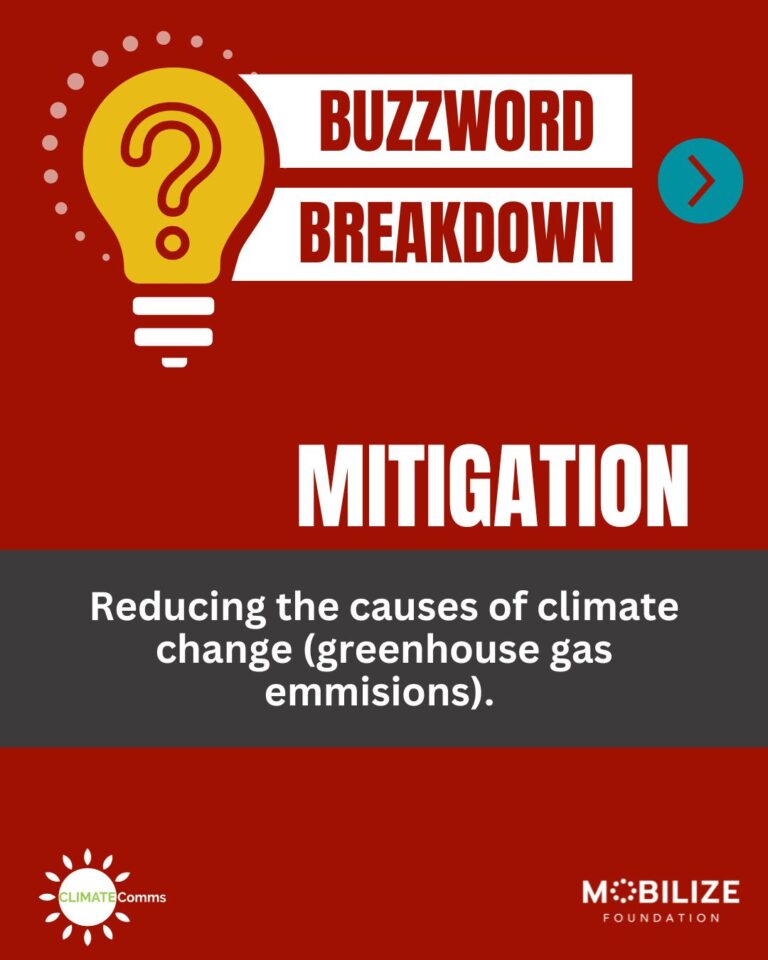
Climate change mitigation refers to any action taken by governments, businesses or people to reduce or prevent greenhouse gases, or to enhance carbon sinks that remove them from the atmosphere. These gases trap heat from the sun in our planet’s atmosphere, keeping it warm.
Since the industrial era began, human activities have led to the release of dangerous levels of greenhouse gases, causing global warming and climate change. However, despite unequivocal research about the impact of our activities on the planet’s climate and growing awareness of the severe danger climate change poses to our societies, greenhouse gas emissions keep rising. If we can slow down the rise in greenhouse gases, we can slow down the pace of climate change and avoid its worst consequences.
Mythbust
Tax the rich?
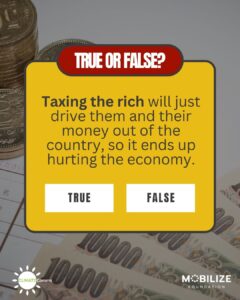
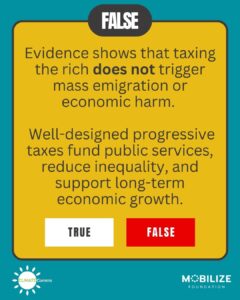
We’re often told that if you tax the rich more, they’ll pack up, take their money, and the economy will suffer.
The truth: While some wealthy individuals may try to minimise taxes, evidence from countries with higher progressive taxes shows that taxing the rich does not automatically lead to mass emigration or economic harm. Most wealth is tied to local businesses, property, networks, and markets, making large-scale flight impractical. When well designed, taxes on high earners and wealth can fund public services, reduce inequality, and support long-term economic growth without undermining economic stability.
So here’s the real question: Should the richest pay more?
Can I stop climate change?
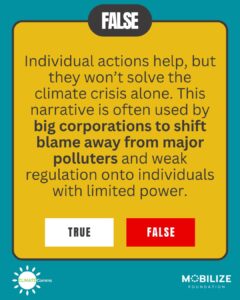
Personal responsibility is important, but it is not the whole story. Recycling and buying green products help reduce harm, yet the climate crisis continues because the biggest polluters face little accountability. Meaningful solutions require stronger regulation, corporate responsibility, and large-scale action alongside individual effort.

Baseline Report 2025